

| Item SKU | BO15902 |
|---|---|
| Brand | Brusletto |

|
|
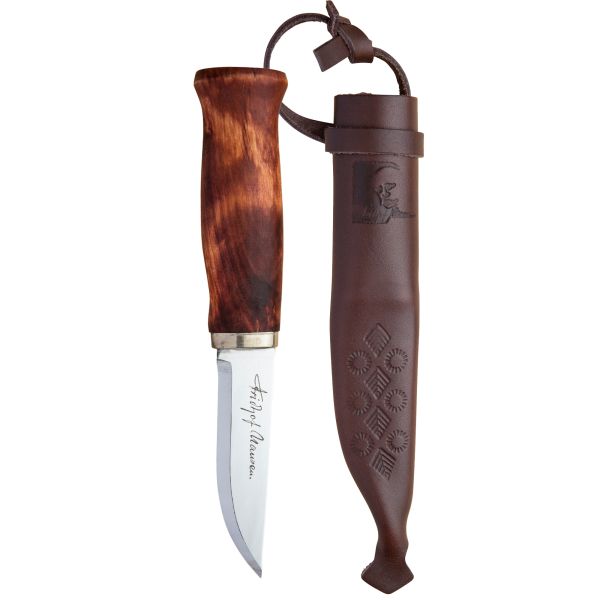
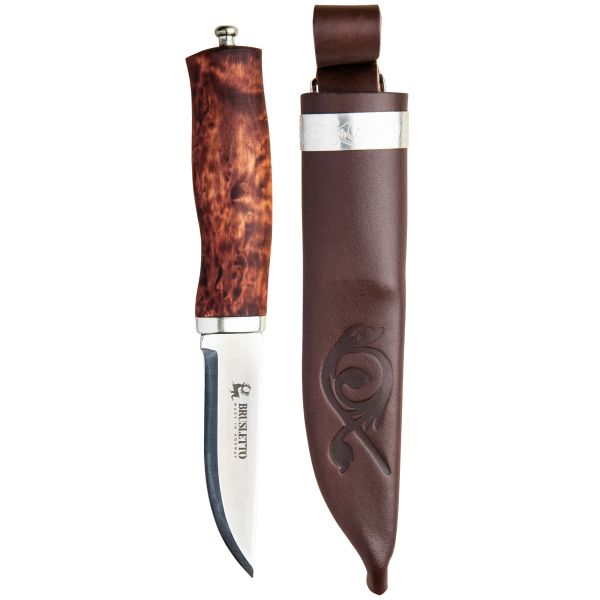
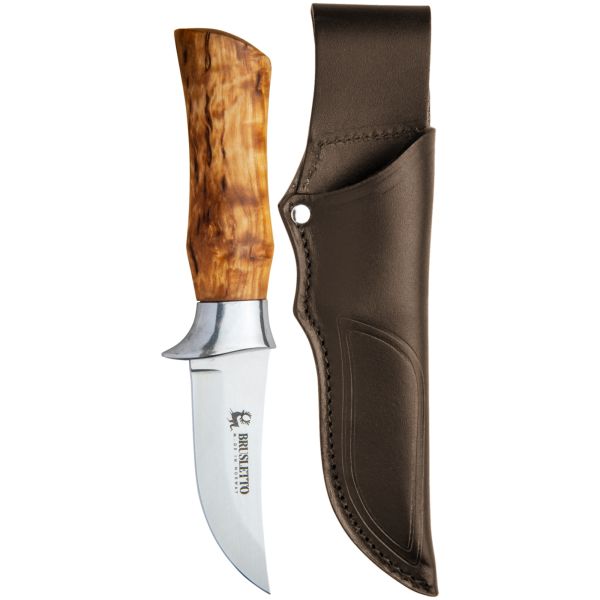
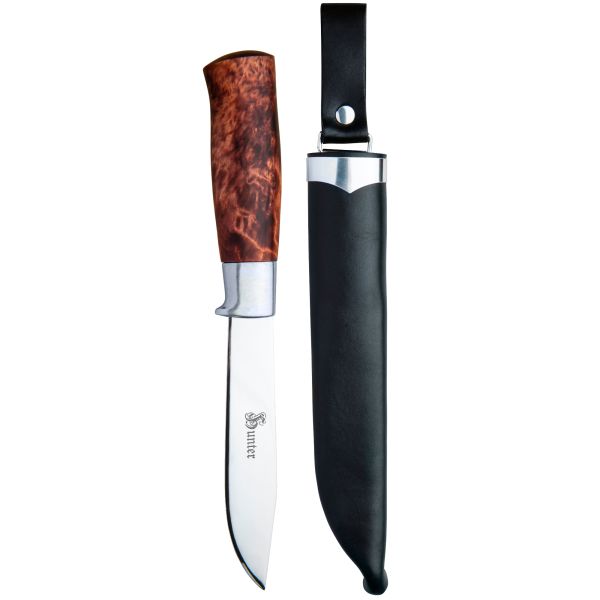
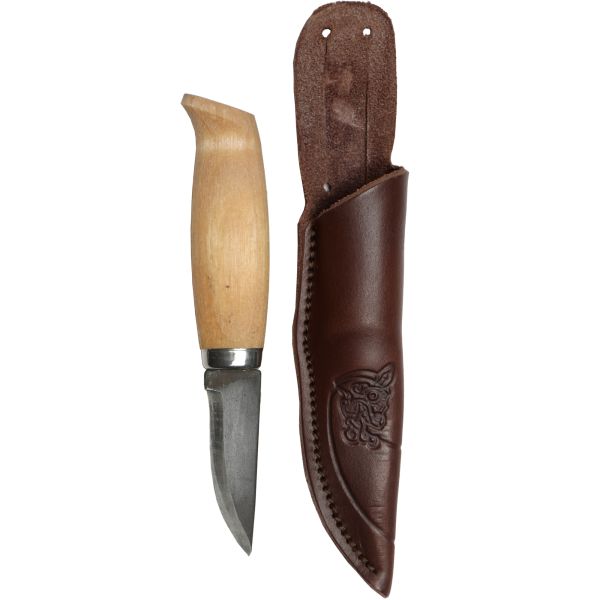
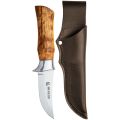
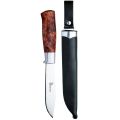
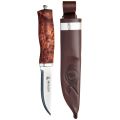
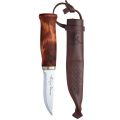
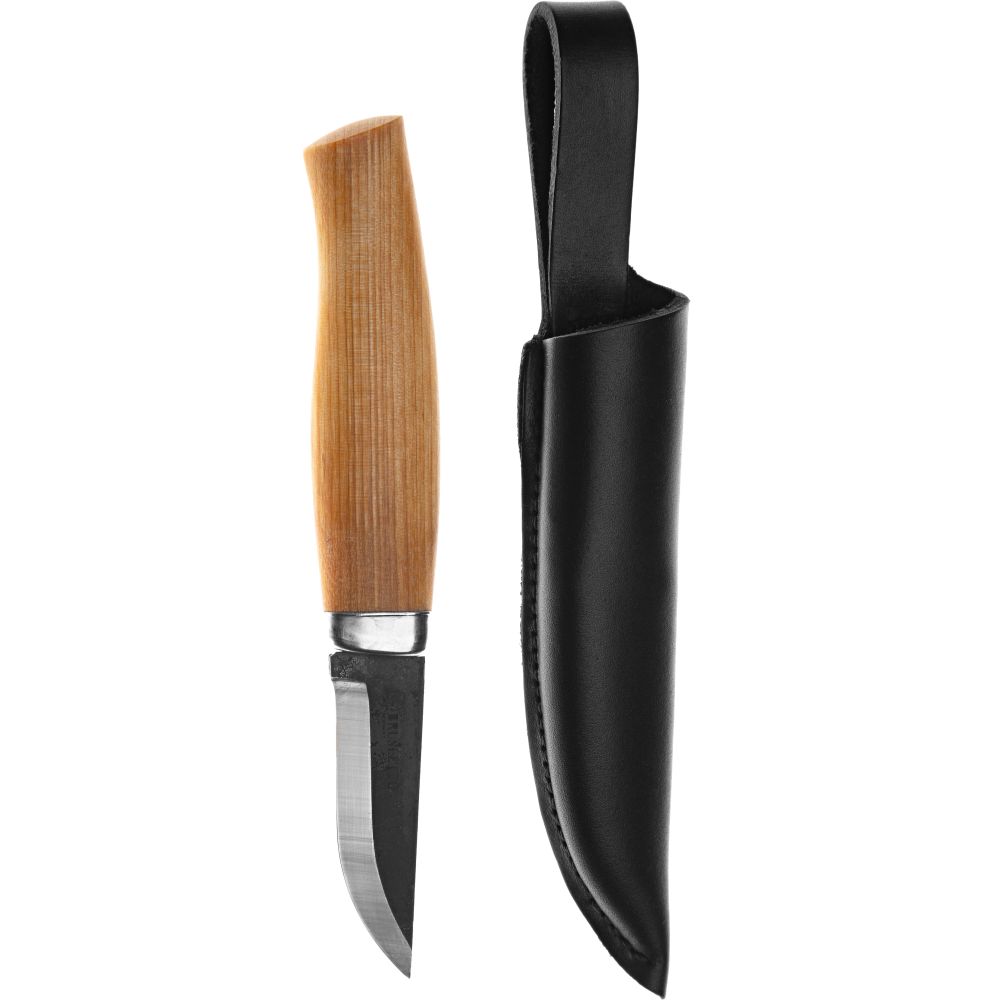
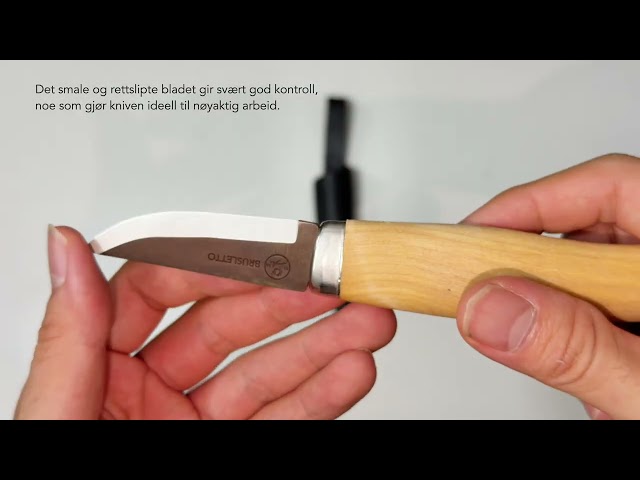
Brusletto Spikkekniv. Brusletto Whittling Knife. A small knife designed specifically for whittling and carving wood, developed together with Norges Husflidslag and widely used by schools and craft groups in both Norway and Sweden: around 2,500 teachers and over 150,000 students have worked with this knife so far.
Spikkekniv is the correct translation for a whittling knife (although some online translation tools may confuse it with other words). Norges Husflidslag is one of the oldest and most traditional cultural organisations in Norway, founded in 1910. Its role is to promote and preserve Norwegian handicrafts.
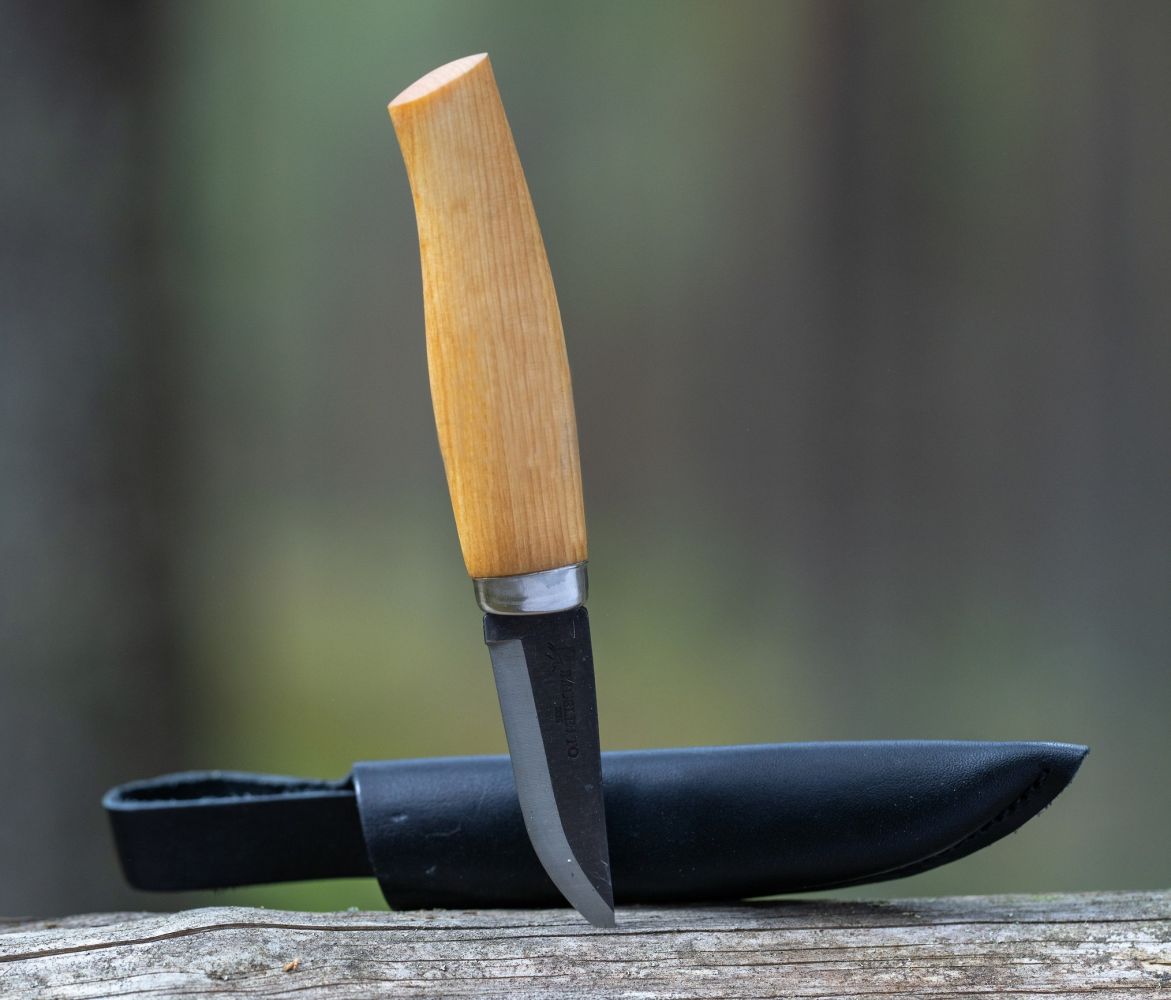
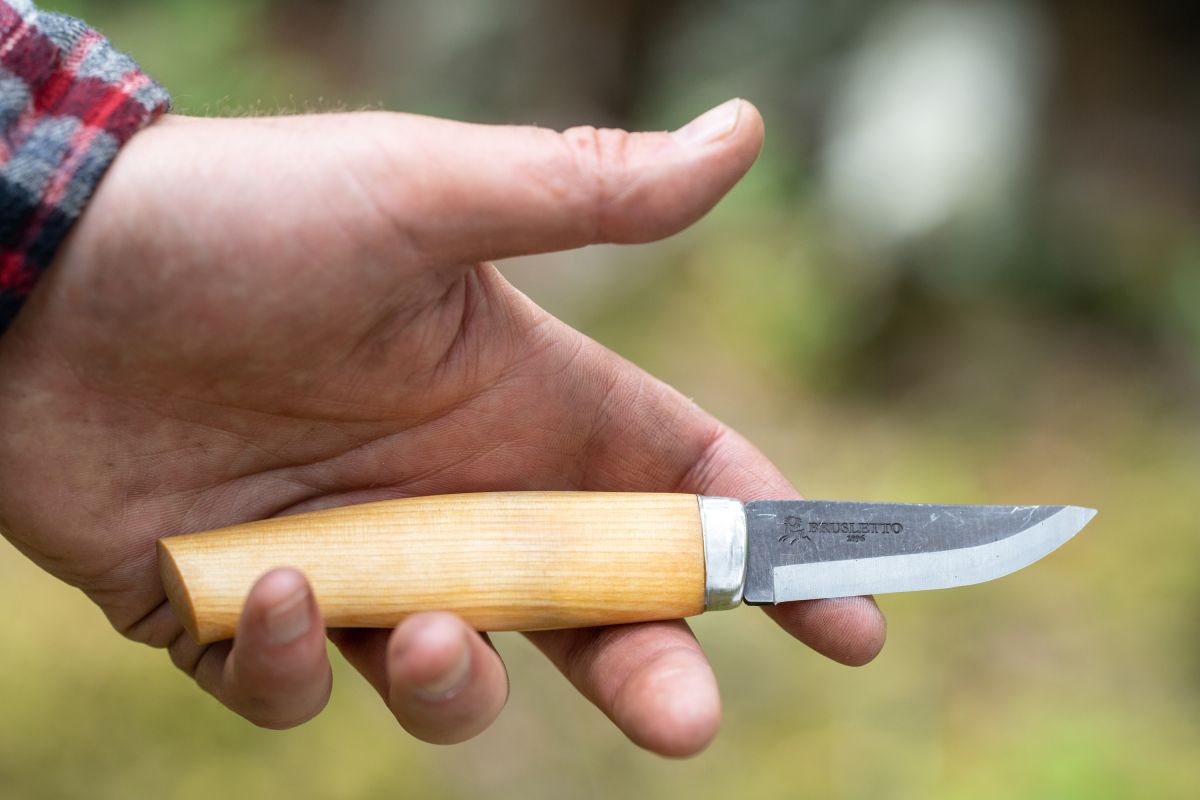
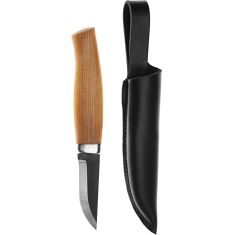
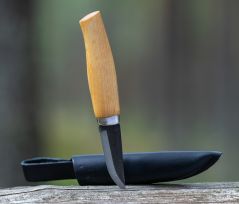
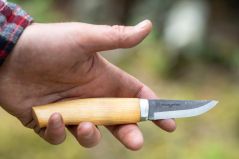
The handle of the Spikkekniv is designed to suit both an adult's hand and a child's, and the blade is short, ideal for detailed work, especially in wood, but also for other activities that require care and good control of the edge. For a more traditional look, the Scandi-grind 440C stainless steel blade has only the edge area ground, like Nordic carbon steel blades. The oil treated mountain birch handle is slim and narrow enough to fit any hand. A nickel silver ferrule joins the blade to the handle.
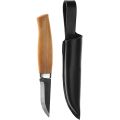
The sheath is made of black natural cowhide leather. Inside is a plastic insert that protects the sheath against accidental cuts. The belt loop is wide, so the sheath can fit belts up to 5cm wide.
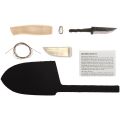
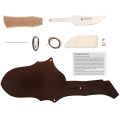
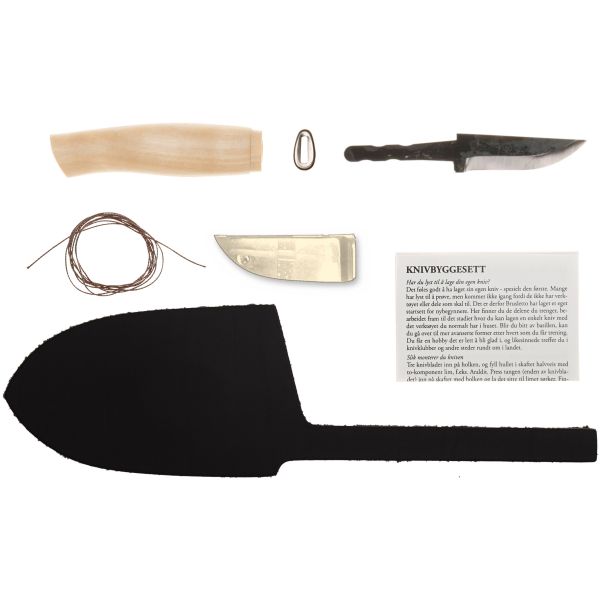
A building kit with all the necessary components, except tools and glue, is also available for the Brusletto Spikkekniv.
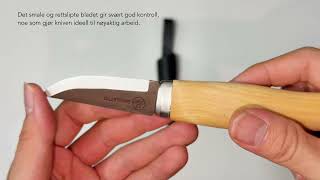
Important! The YouTube video shows or may show outdated information, such as the steel grade. Its purpose is only to present certain details that do not appear in the images and to show the size in relation to the hand. The numerical values are currently taken from the Brusletto website and have not been verified by us; in reality they may differ slightly. Some images may show the old version of the logo on the blade, and all images are for illustration purposes only. Wood is a natural material and every handle is unique, so variations in colour or grain are significant.